
One child takes a toy, the other yells, and suddenly everyone wants you to decide who started it. Sound familiar? Sibling disagreements are a common part of family life, but when the arguing, competing, and fighting become frequent, it can leave everyone feeling frustrated and exhausted.
While parents may wish their children would always get along, disagreements between siblings can also provide opportunities to learn important skills, including communication, compromise, patience, and problem-solving. The goal isn't to eliminate every disagreement but to help children learn how to navigate conflict in healthier ways.
Why Siblings Fight
Sibling rivalry can happen for many reasons. Children may compete for attention, struggle with sharing, disagree about fairness, or become frustrated when they feel they have little control over a situation.
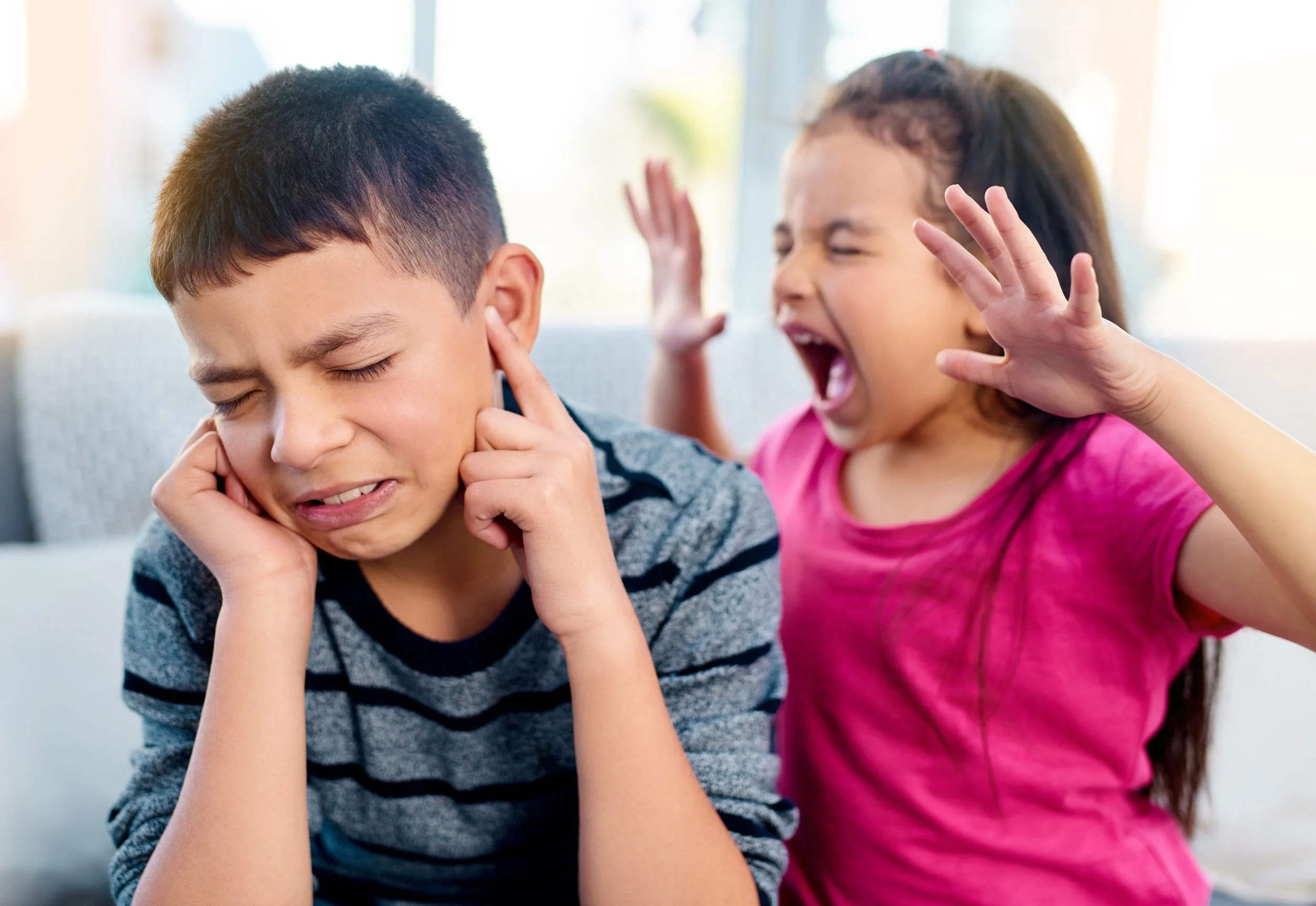
Age and developmental differences can also play a significant role. For example, a younger child may still be learning how to ask before taking something, while an older sibling may become frustrated when their belongings are touched without permission.
It's also important to remember that children are still developing emotional regulation and impulse control. Even when they know the rules, they may struggle to use appropriate language or problem-solving skills when they are upset.
Something for parents to remember: Not every disagreement needs adult intervention. When children are safe and the disagreement is manageable, giving them an opportunity to work through it can help build independence and confidence.
Stay Neutral and Keep Everyone Safe
When siblings begin arguing, it's natural to want to figure out who started it or who is responsible. However, immediately taking sides can sometimes increase competition and leave one child feeling that the other is being favored.
Instead, focus on identifying the problem and setting clear boundaries.
For example, you might say:
"I can see that you're both frustrated because you want to play with the same toy. It's okay to feel upset, but it's not okay to hit or grab."
This approach acknowledges both children's feelings while reinforcing expectations for appropriate behavior.
If the disagreement becomes physical or unsafe, intervene immediately. Separate the children if necessary and allow time for everyone to calm down before discussing what happened.
Remember: Children are often less able to listen, reflect, or problem-solve when their emotions are heightened. Teaching is generally more effective once everyone is calm.
Understand the Difference Between Fair and Equal
One of the most common complaints parents hear during sibling disagreements is, "That's not fair!"
Children often understand fairness as everyone receiving the exact same thing. However, fair does not always mean equal.
For example, an older sibling may have a later bedtime because of their age, while a younger sibling may need more help completing a task.
Rather than trying to make everything identical, explain that each child may have different needs, responsibilities, and privileges.
You might say:
"Fair doesn't always mean everyone gets the same thing. It means everyone gets what they need."
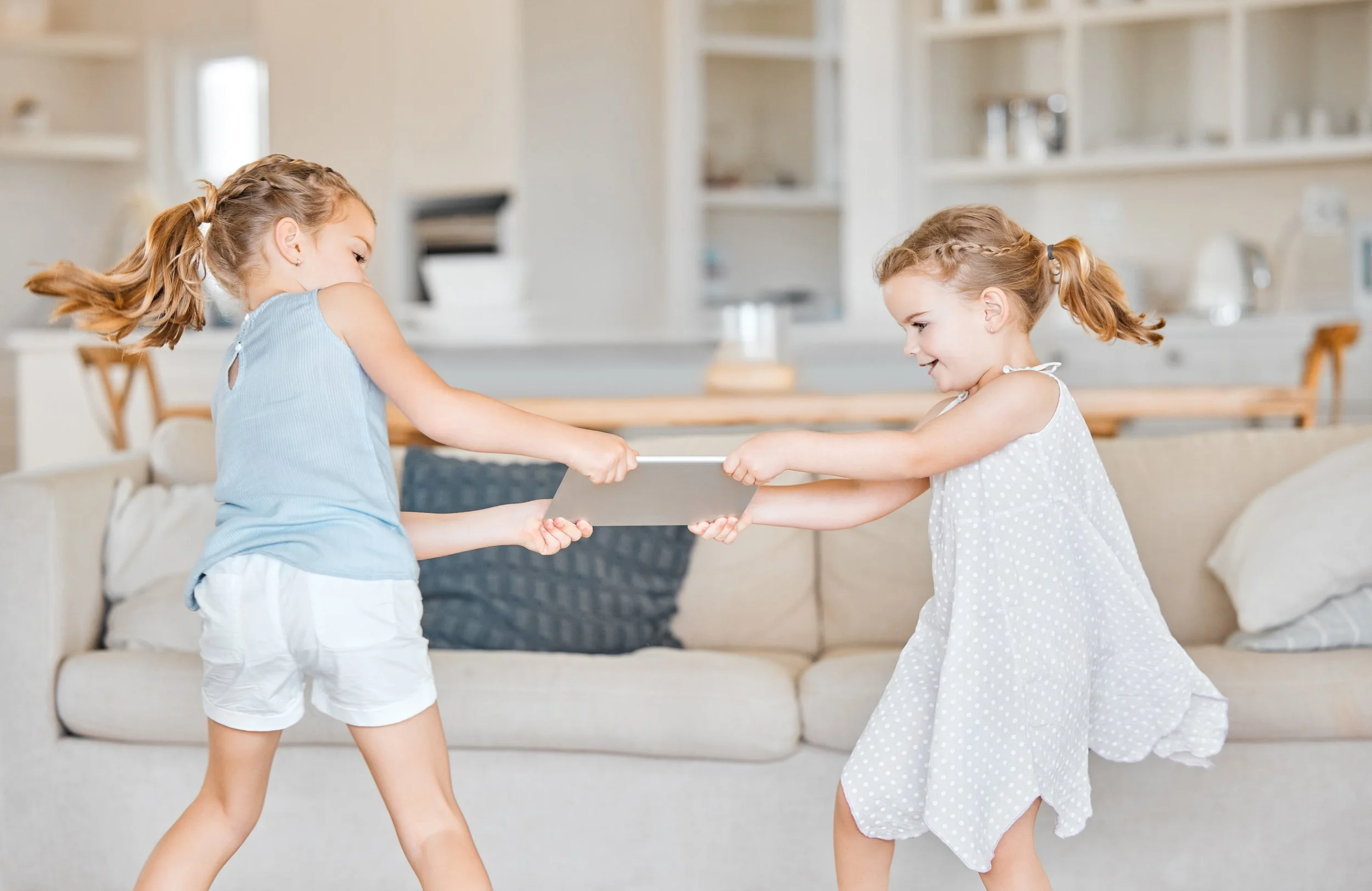
It's also helpful to acknowledge when something feels unfair to your child, even if the decision isn't changing.
"I understand why you're frustrated that your brother gets to stay up later. It's hard when the rules are different."
This helps children feel heard while reinforcing that different expectations do not necessarily mean favoritism.
Teach Problem-Solving When Everyone Is Calm
Children are not automatically born knowing how to compromise, take turns, or communicate during disagreements. These are skills that need to be taught, modeled, and practiced repeatedly.
Once both children are calm, encourage each to explain what happened and how they felt.
Teaching "I" statements can help children communicate without blaming one another.
For example:
"I felt frustrated when you took my toy without asking."
Rather than immediately deciding on a solution, encourage the children to brainstorm together.
You might ask:
"What are two ways we could solve this problem?"
Possible solutions include taking turns, trading toys, using a timer, choosing another activity, or asking permission before borrowing something.
For younger children, offering two choices may be more manageable than asking them to come up with solutions independently.
The goal is to gradually help children develop the skills to manage disagreements with less adult involvement.
Avoid Giving Too Much Attention to Arguing
Children naturally seek attention and connection from their parents. Sometimes, without realizing it, parents may spend significantly more time responding to sibling conflict than noticing moments when their children are getting along.
For example, siblings may play together quietly for twenty minutes without receiving much attention. However, the moment an argument begins, a parent immediately enters the room and becomes involved.
While responding to unsafe or hurtful behavior is always important, it can also be helpful to consider how much attention children receive during positive interactions.
When disagreements are minor and safe, allow children an opportunity to work through them before stepping in.
At the same time, intentionally notice and acknowledge moments of cooperation.
Praise Positive Behavior
Positive reinforcement can be a powerful way to encourage children to continue behaviors you want to see more often.
Rather than only responding when siblings argue, look for opportunities to praise sharing, patience, kindness, and respectful communication.
For example:
"I noticed you asked your sister before borrowing her toy. That was really thoughtful."
"You were both frustrated, but you figured out a solution together. Great problem-solving!"
"I love how you waited for your turn without interrupting."
"You helped your brother even though you were busy. That was very kind."
Try to make praise specific and immediate so children understand exactly what they did well.
It's also helpful to recognize each child's individual strengths without comparing siblings to one another.
For example, rather than saying, "Why can't you share like your sister?" focus on the behavior you want to encourage: "I really appreciate when you ask before taking something."
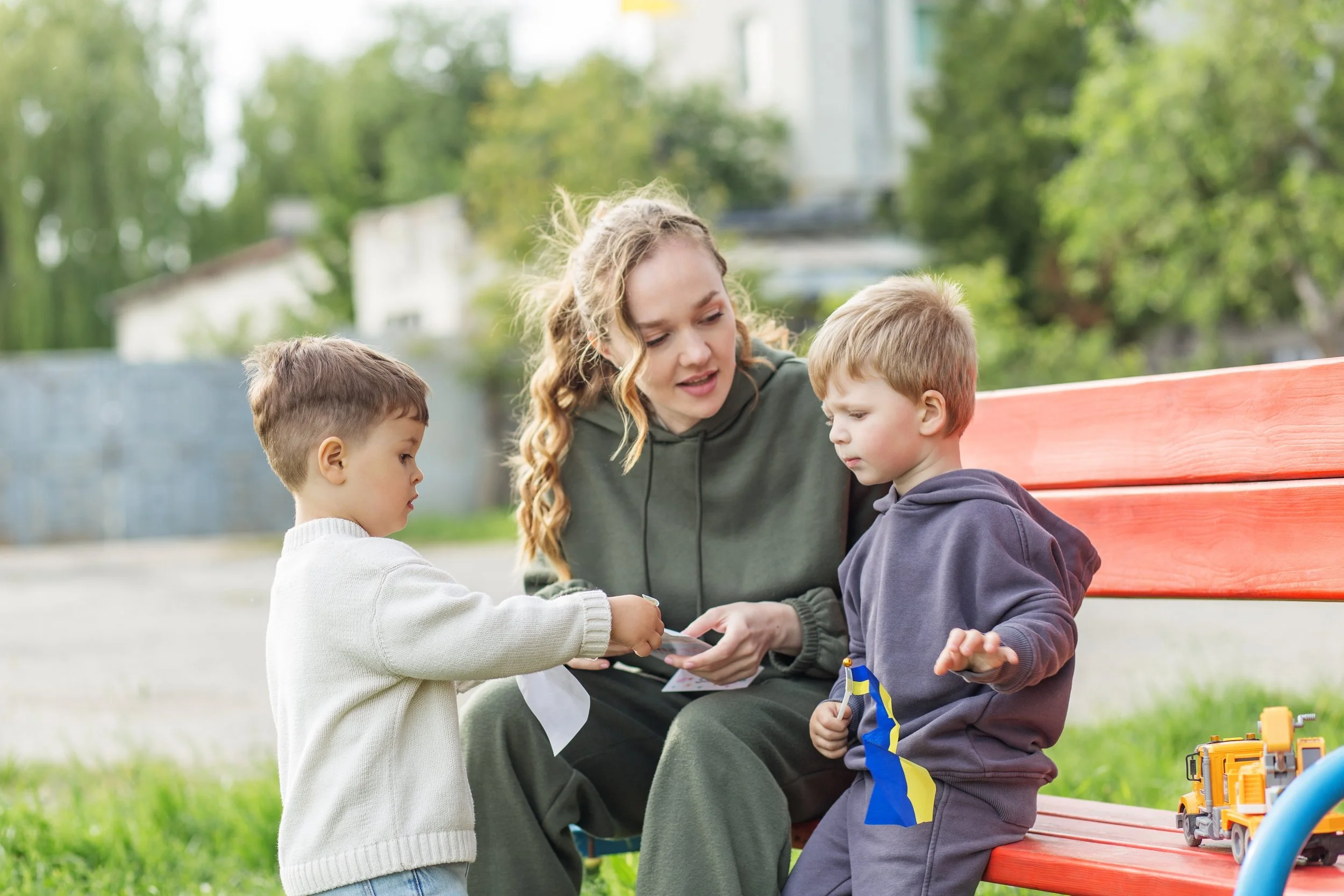
Make Time for Individual Attention
Sometimes sibling rivalry is connected to a child's desire for more individual attention or reassurance about their place in the family.
Children may become more competitive when they feel they are constantly sharing a parent's attention, particularly during busy routines or major family changes.
Creating opportunities for individual connection can help children feel valued outside of their relationship with their siblings.
This doesn't need to involve elaborate activities. Even ten minutes of uninterrupted time reading, playing a game, or talking together can be meaningful.
During this time, allow your child to choose an activity when possible and focus on being present.
Individual attention is not a guaranteed solution to sibling rivalry, but it can help strengthen your relationship with each child and reduce the need to compete for connection.
Strategies to Try at Home
Set clear expectations. Establish consistent rules around physical safety, personal belongings, and respectful language.
Validate feelings without taking sides. Acknowledge that both children may feel frustrated, even when they have different perspectives.
Teach problem-solving skills. Practice taking turns, using "I" statements, and brainstorming solutions when everyone is calm.
Praise positive interactions. Notice moments when siblings cooperate, communicate respectfully, or resolve disagreements.
Avoid comparisons. Focus on each child's individual strengths, needs, and progress.
Create individual connection. Make time for one-on-one attention so children feel valued outside of sibling interactions.
The Takeaway
Sibling rivalry is a normal part of growing up, and even siblings who have strong relationships will disagree. Rather than expecting children to always get along, focus on teaching them how to express frustration, respect boundaries, and work through disagreements.
With consistent expectations, opportunities to practice, and plenty of positive reinforcement, children can gradually develop healthier ways to manage conflict and strengthen their relationships with one another.
Looking for Additional Support?
At Alexa Wernick Psychotherapy, I support children, adolescents, and parents with practical, individualized strategies to improve emotional regulation, communication, and behavior at home.
Schedule a free phone consultation at alexawernickpsychotherapy.com/contact.
